
Navigating The Transition to SAP GTS E4H: Why It Matters Now More Then Ever
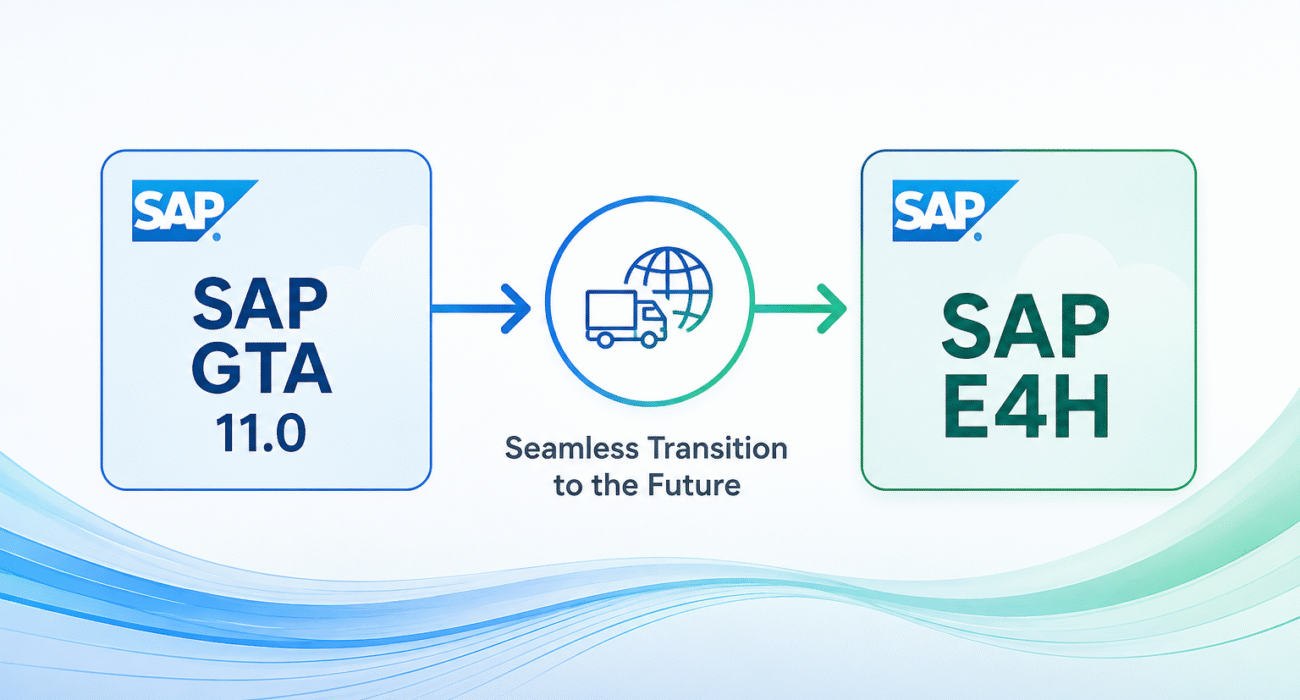
With the mainstream maintenance for SAP GTS 11.0 officially ending on December 31, 2025 , many organizations are facing a pivotal moment. While it might seem that everything is functioning smoothly—sales orders are processed, shipments are sent out—the calm after the storm is deceptive and potentially dangerous. As systems have slipped into customer-specific maintenance mode, they have stopped receiving essential updates, including legal and regulatory changes, security patches, and support packages. This can lead to a slow but dangerous drift away from compliance and integration with current trade regulations, all without any obvious signs of failure.
Understanding the Shift to SAP E4H
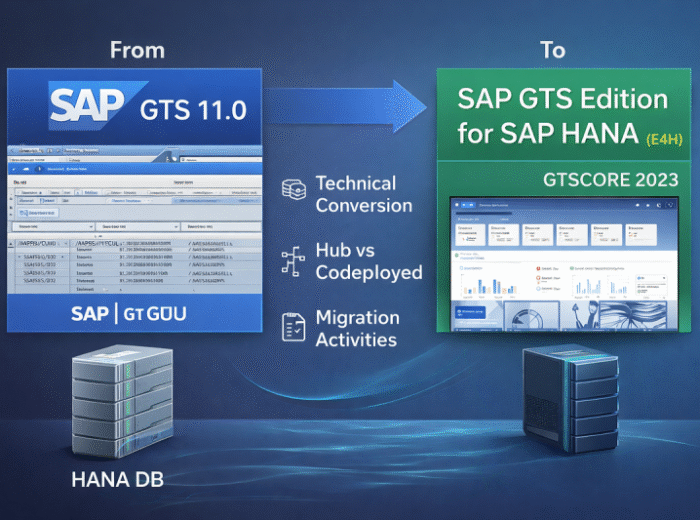
The recommended path forward from SAP is a transition to SAP GTS, edition for SAP HANA (E4H). Currently, the major version available is GTS E4H Version 2025. However, it’s crucial to adjust your expectations: this is not merely an upgrade in the traditional sense. The transition brings significant changes, including alterations to the underlying data structures, numbering schema, and programming framework. In essence, this is a structured re-implementation that will impact systems, processes, and data layers simultaneously.
Organizations often underestimate the magnitude of this shift. Treating it like a routine patch cycle can lead to unforeseen complications down the line, resulting in frustration and additional costs.
The Risks of Doing Nothing
One of the most pressing issues at this juncture is how many companies will wait until the last minute to act. A reactive, compliance-driven scramble to migrate not only results in a chaotic project environment but also amplifies risk and increases costs. Organizations that delay their transition can find themselves grappling with outdated compliance logic, which can lead to complications during audits or penalties for non-compliance.
To avoid such pitfalls, proactive engagement is key. It’s important to start preparing for the transition now to ensure that your organization does not fall behind. Begin by assessing your current SAP GTS landscape—understanding your existing processes and identifying gaps that need to be addressed before making the leap to E4H.

Conclusion
A Call To Action
The end of mainstream maintenance for SAP GTS 11.0 is more than a technology milestone—it is a strategic turning point for global trade operations. While existing systems may continue to support day-to-day transactions, operating without current legal updates, security enhancements, and ongoing innovation can create growing compliance, operational, and business risks.
Organizations that act now can turn this transition into an opportunity—not simply to move to SAP GTS, edition for SAP HANA, but to modernize their trade processes, strengthen compliance, improve operational efficiency, and build a scalable foundation for future growth.
The question is no longer whether to transition, but how strategically you prepare for it.
Start by assessing your current SAP GTS landscape, identifying business and compliance dependencies, and establishing a structured transition roadmap. With the right strategy and experienced guidance, the move to SAP GTS, edition for SAP HANA can be managed with greater confidence, minimized disruption, and measurable business value.
RiseExc can help you navigate this transition—from assessment and planning through migration and optimization—so your global trade operations remain compliant, resilient, and ready for what comes next.
Connect with riseexc.com and take the next step toward a future-ready SAP GTS landscape.